A Closer Look at Kenyan Business Regulations and Their Impact on the Country's Diverse Cultures
Category : |
Sub Category : Posted on 2024-01-30 21:24:53
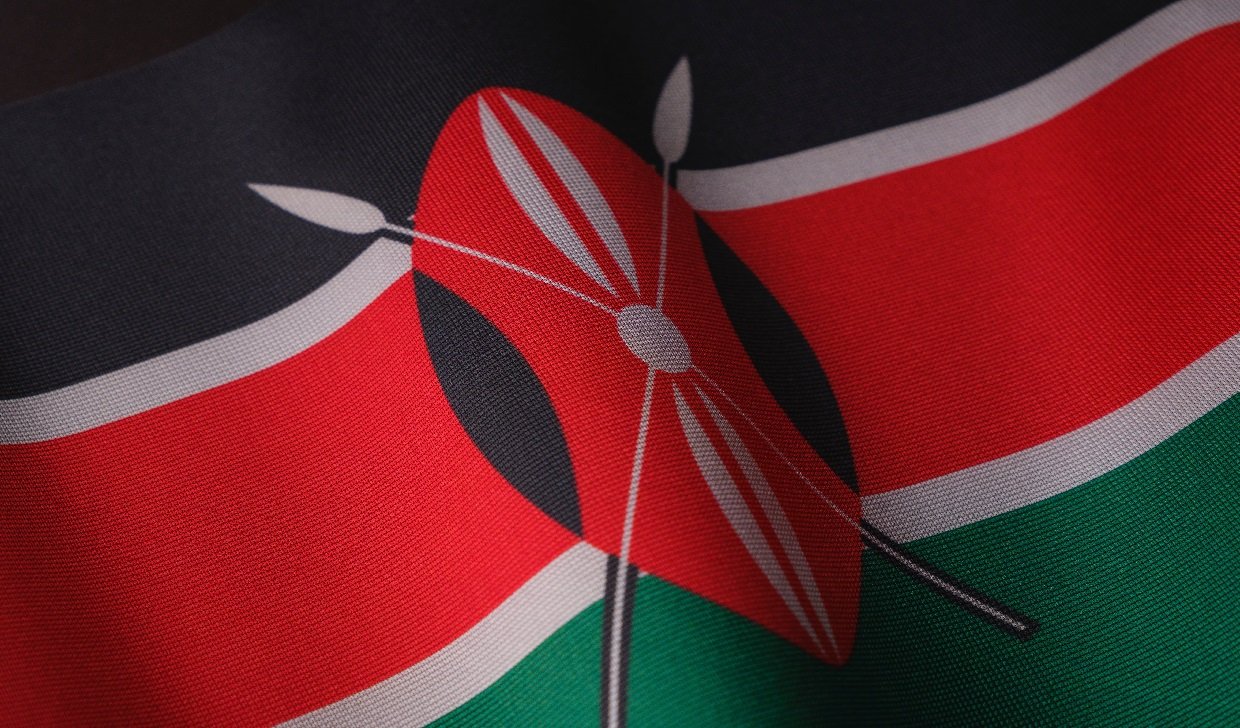
Introduction: Kenya, known for its rich cultural heritage and diverse population, is a fascinating country with a rapidly growing economy. However, like any other nation, Kenya has a set of business regulations that help govern its entrepreneurial landscape. In this blog post, we will delve into the intricacies of Kenyan business regulations and how they intersect with the country's diverse cultures.
1. The Regulatory Framework: Kenya's business regulations are primarily driven by its legal framework, consisting of various statutes, acts, and rules that guide the establishment, operation, and management of businesses. The Companies Act, 2015, the Business Registration Service Act, 2015, and the Tax Procedures Act, 2015 are some of the key legislations that shape the regulatory landscape.
2. Impact on Cultural Entrepreneurship: Kenya's cultural diversity is one of its strengths, with over 40 different ethnic communities, each offering unique traditions, languages, and artistic expressions. The entrepreneurial spirit within these communities is often nurtured through cultural businesses such as traditional crafts, artwork, music, and fashion. However, there have been instances where adherence to business regulations has presented challenges for cultural entrepreneurs, stifling their growth.
3. Balancing Traditional Practices with Compliance: Many cultural businesses in Kenya have deep-rooted traditional practices that influence their production methods and supply chains. These practices can clash with certain business regulations related to health and safety, product quality standards, and intellectual property rights. Finding a balance between preserving cultural heritage and complying with regulations is crucial to ensure the sustainability of these businesses.
4. Promoting Inclusivity and Representation: Kenyan business regulations, while essential for maintaining a fair and transparent business environment, should also encourage inclusivity and representation of diverse cultural communities. This can be achieved through creating specialized funding opportunities or preferential treatment for cultural-based enterprises. Greater support and resources can help bridge the gap between cultural entrepreneurs and compliance with regulations, allowing them to thrive while preserving their traditions.
5. Encouraging Cross-Cultural Collaborations: Kenya's business regulations can also be seen as a catalyst for fostering collaborations between different cultural communities. By providing a common legal framework that ensures protection and fairness for all businesses, regulations can promote cross-cultural partnerships, leading to unique fusion ventures and a broader market reach for cultural products and services.
Conclusion: Kenyan business regulations play a pivotal role in shaping the country's entrepreneurial landscape, including its diverse cultural businesses. Striking a balance between compliance and cultural preservation is essential for supporting these enterprises. It is vital to continuously assess and refine regulations to understand and address the specific challenges faced by cultural entrepreneurs. By doing so, Kenya can nurture and empower its rich cultural heritage while promoting economic growth and inclusive development. To get a holistic view, consider http://www.culturepolitics.com
Want to expand your knowledge? Start with http://www.mimidate.com