Exploring Russian Investment in Maasai Mara Safaris: A Promising Partnership
Category : |
Sub Category : Posted on 2024-01-30 21:24:53
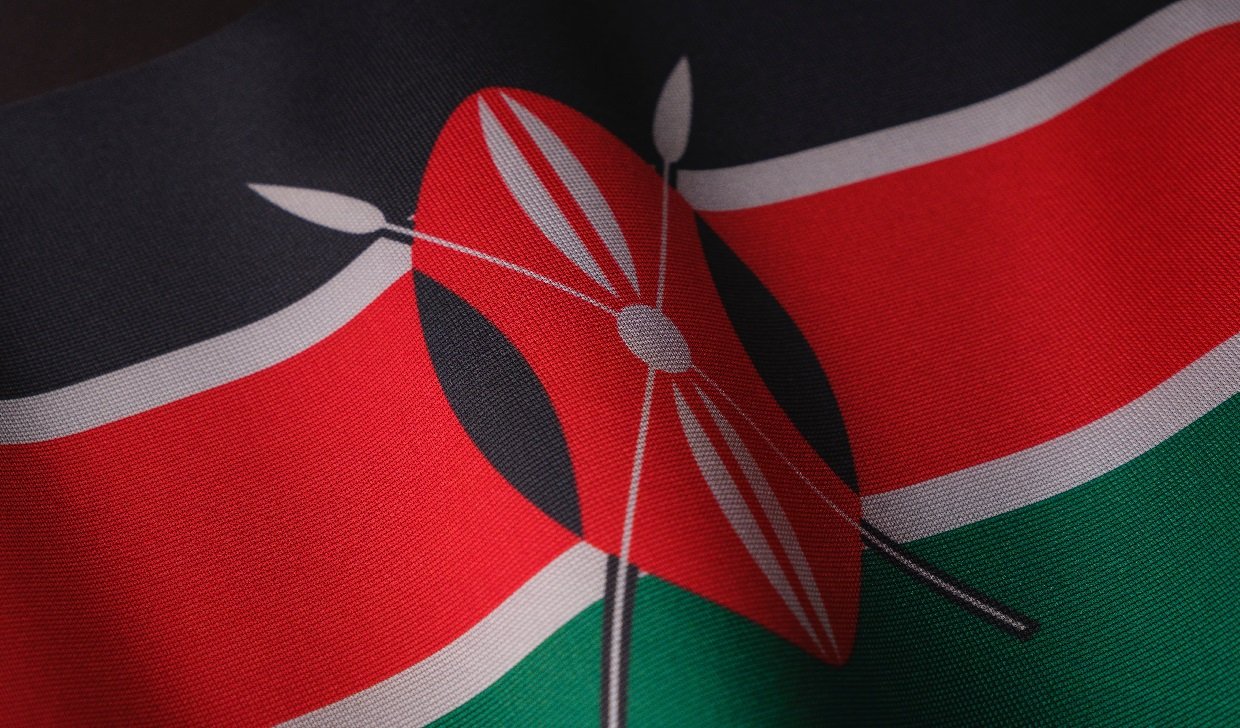
Introduction: The Maasai Mara National Reserve, located in southwestern Kenya, is world-renowned for its stunning landscapes and diverse wildlife. Each year, thousands of adventure seekers and nature enthusiasts flock to this iconic destination in search of an unforgettable safari experience. Amidst the growing popularity, an exciting trend has emerged â the increasing investment by Russian companies in Maasai Mara safaris. In this blog post, we will explore the reasons behind this investment surge and the potential benefits it brings to both the local economy and the preservation of the Maasai Mara ecosystem.
1. Cultural Exchange: One of the main drivers behind Russian investment in Maasai Mara safaris is the desire for an authentic cultural experience. The Maasai people, with their vibrant traditions and rich cultural heritage, captivate the interest of Russian tourists who yearn to immerse themselves in a unique way of life. By investing in Maasai Mara safaris, Russian companies can facilitate cultural exchange programs, providing their customers with an enriching and enlightening experience while empowering local communities economically.
2. Breathtaking Wildlife: The Maasai Mara Reserve boasts an astonishing array of wildlife, including the famous Big Five â lions, leopards, elephants, rhinoceros, and African buffalos. Russian investors recognize the immense potential to create luxury safari lodges and camps that cater to affluent Russian tourists seeking exclusive encounters with these majestic creatures. Their investments not only enhance the accommodation options in the area but also contribute to the conservation efforts and revenue generation for the local community.
3. Sustainable Development: Russian investment in Maasai Mara safaris goes beyond mere profit-seeking. Many Russian companies are actively engaged in sustainable development initiatives aiming to preserve the delicate balance of the ecosystem. They invest in eco-friendly practices, such as solar energy, waste management systems, and responsible tourism measures, to ensure that the Maasai Mara remains an unspoiled paradise for generations to come. In doing so, they contribute to the overall conservation efforts undertaken by national and international organizations working in the reserve.
4. Economic Growth: The injection of Russian investment into Maasai Mara safaris has a positive trickle-down effect on the local economy. Increased tourism revenues mean more employment opportunities for the Maasai people, who serve as guides, rangers, hospitality staff, and artisans. Furthermore, Russian investors often collaborate with local businesses, creating mutually beneficial partnerships that foster economic growth in the community. Such investments provide an opportunity for the Maasai people to benefit from the growing tourism industry and improve their standard of living.
Conclusion: Russian investment in Maasai Mara safaris marks an exciting chapter in the development of this iconic African destination. Beyond the economic benefits, it presents an opportunity for cultural exchange and sustainable development initiatives that champion the preservation of the Maasai Mara's rich biodiversity and heritage. As more Russian tourists embark on the adventure of a lifetime, and Russian investors continue to contribute to the local economy and conservation efforts, this partnership promises to enhance the already extraordinary Maasai Mara experience for everyone involved. To delve deeper into this subject, consider these articles: http://www.thunderact.com
For an in-depth analysis, I recommend reading http://www.vfeat.com
To get a holistic view, consider http://www.upital.com